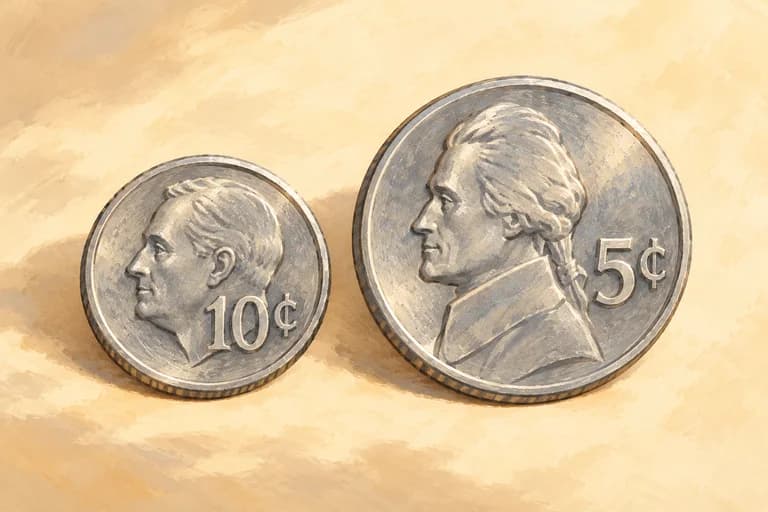
Why Is a Dime Smaller Than a Nickel?
Compare size with value using coins or paper disks. Explore why the biggest coin need not be worth the most.
Explore togetherCuriosity Bundle · Grades 3-5
Notice everyday exchanges and investigate their rules with pretend money.
Pick a question to explore together. Find readings, hands-on discoveries, and printable sheets inside.
Compare size with value using coins or paper disks. Explore why the biggest coin need not be worth the most.
Explore together
Try a pretend payment game. Explore what makes a piece of paper accepted as money and what it can buy.
Explore together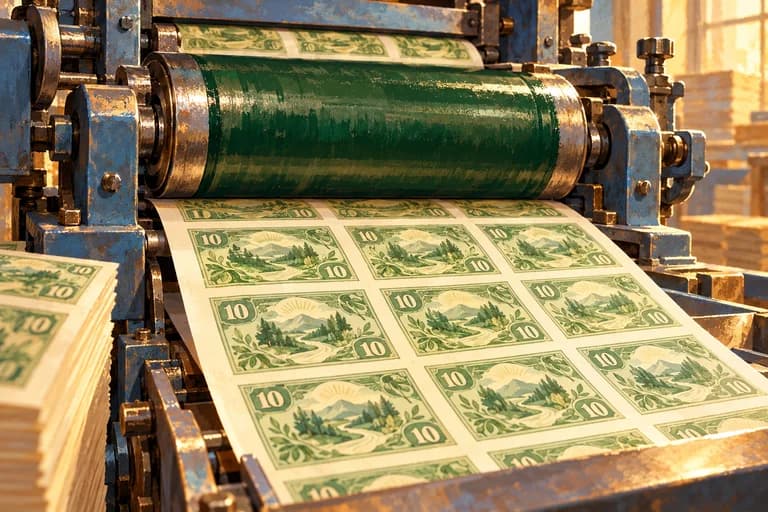
Add tokens to a pretend market. Notice what changes and what stays the same when there is no extra stuff to buy.
Explore together
Change the light on a card model. Explore currency features and why noticing one is not proof that money is genuine.
Explore together
Try a pretend swap and explore different ways people have exchanged things and used money.
Explore together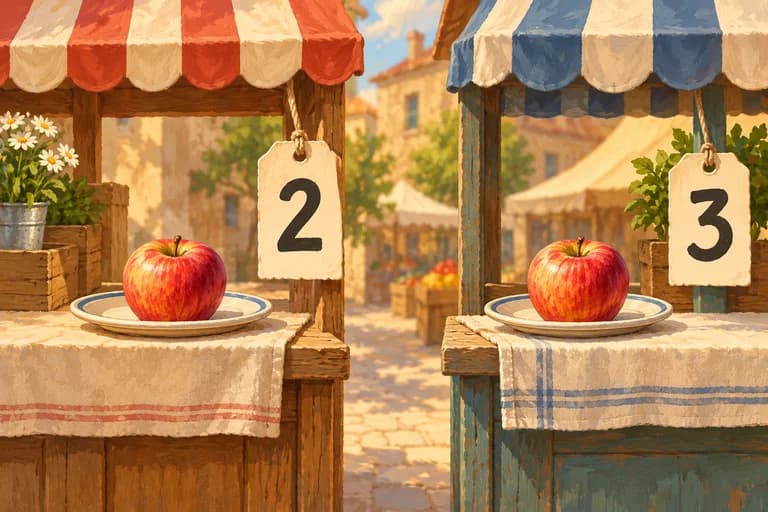
Compare pretend offers for equal amounts. Explore what a price tag tells you and what it leaves out.
Explore together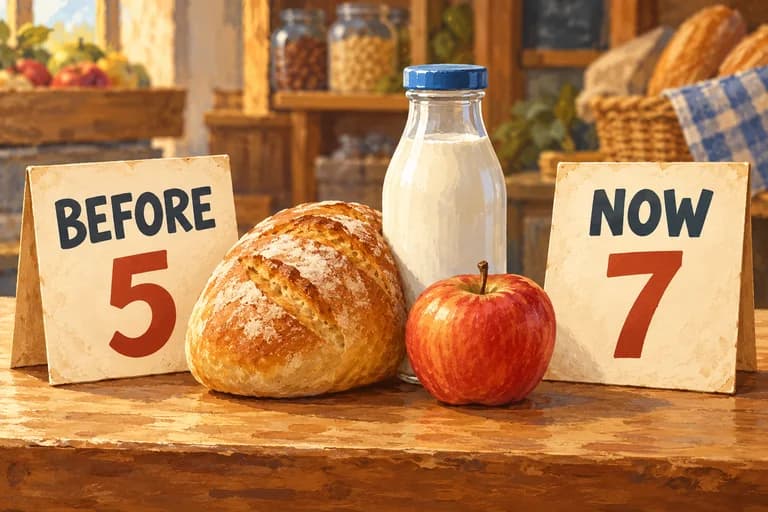
Watch several pretend prices change. Explore why one higher price and a broad rise in prices are different clues.
Explore together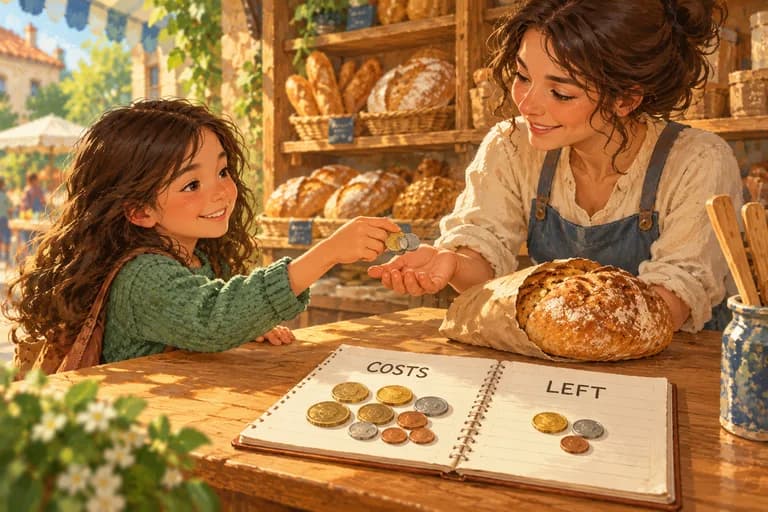
Run a pretend shop and separate sales from costs. Discover which tokens the shop can keep.
Explore together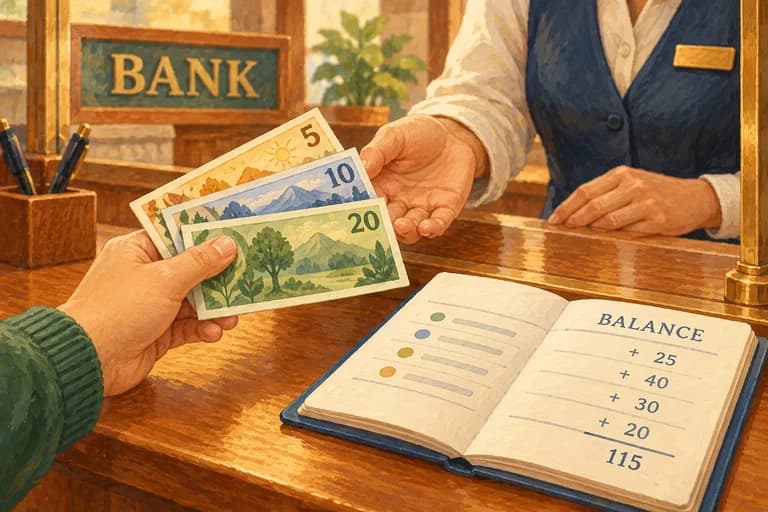
Track tokens in a toy bank. Explore the difference between your balance and a box holding your exact notes.
Explore together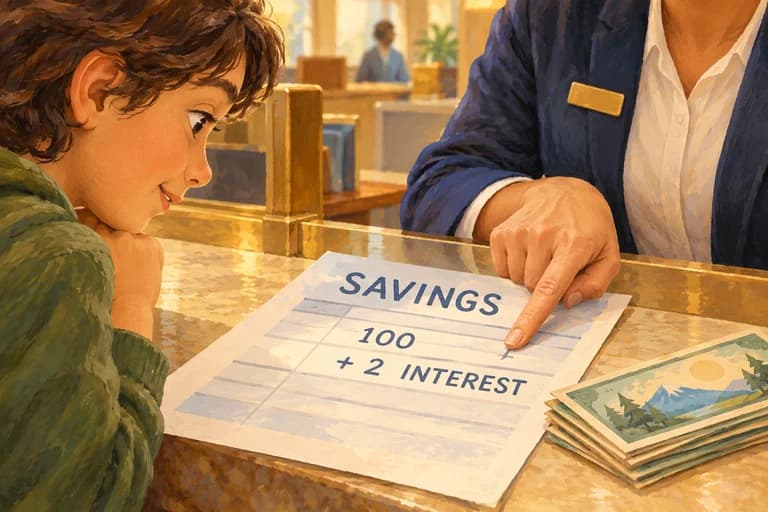
Follow payments in a fictional agreement. Explore why interest may be paid and why the terms matter.
Explore together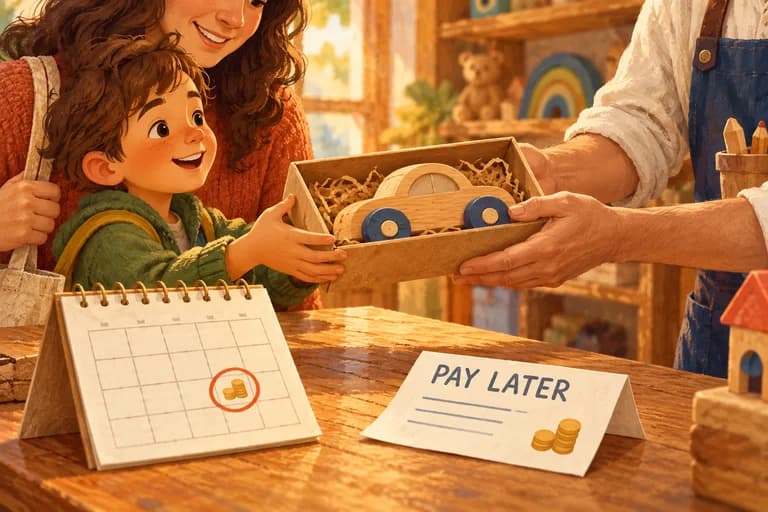
Try a fictional buy-now agreement. Explore what is still owed after the toy has arrived.
Explore together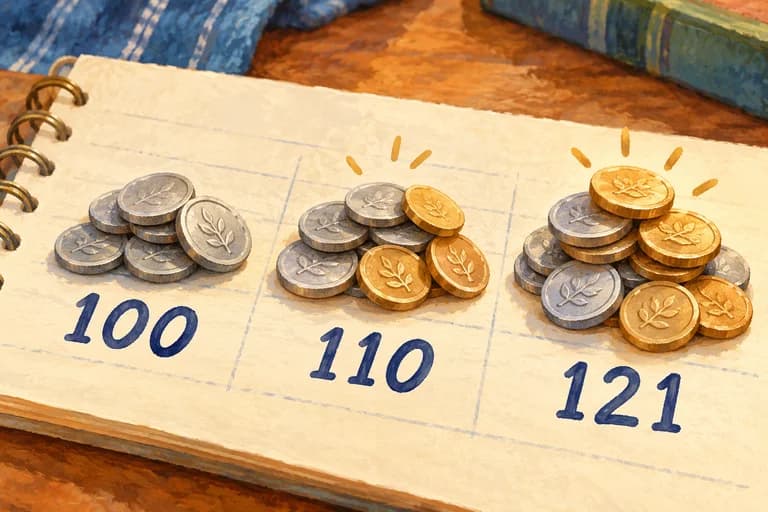
Compare two pretend balances over time. Explore compounding and why a larger balance may not buy more.
Explore together